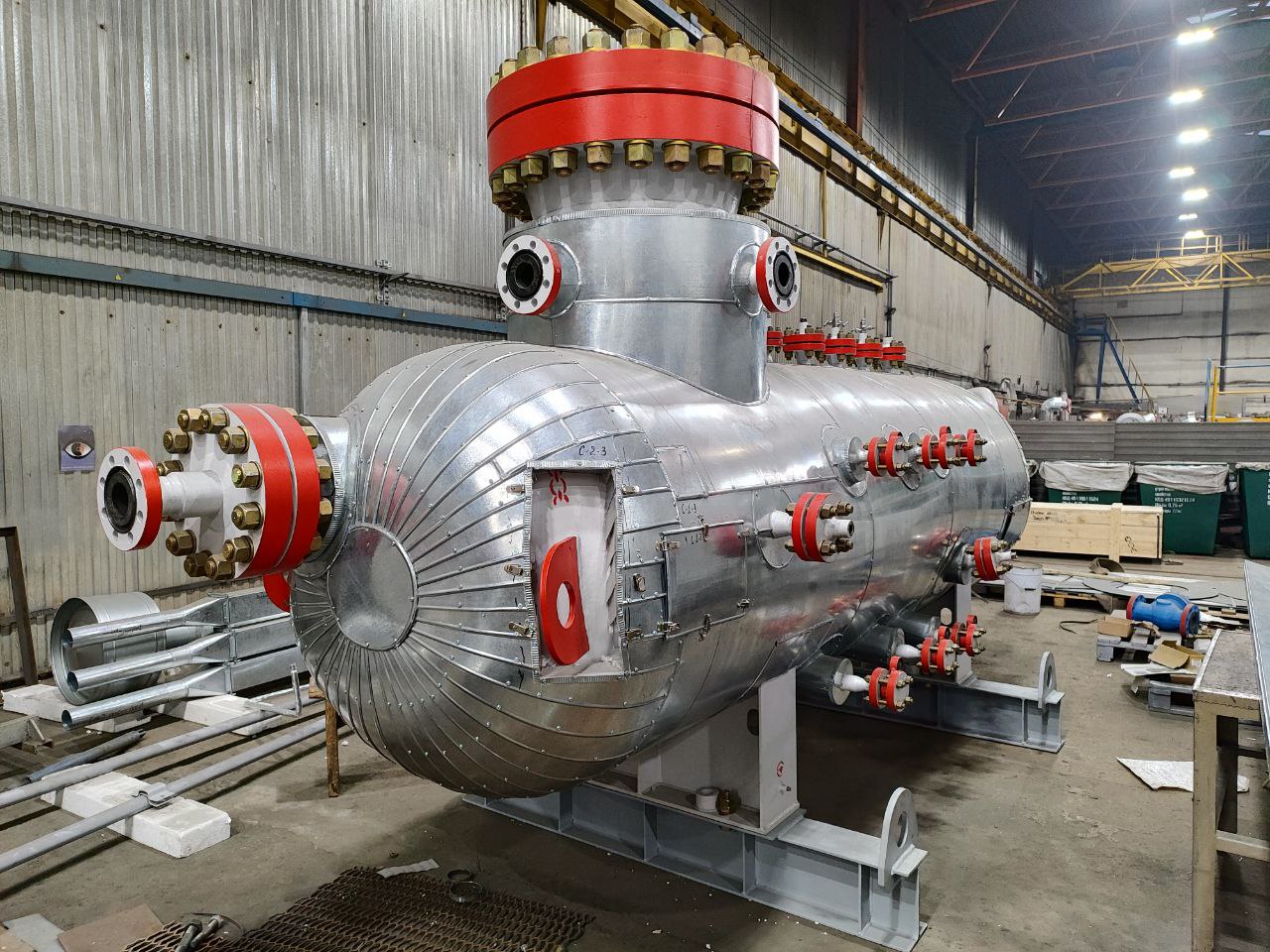
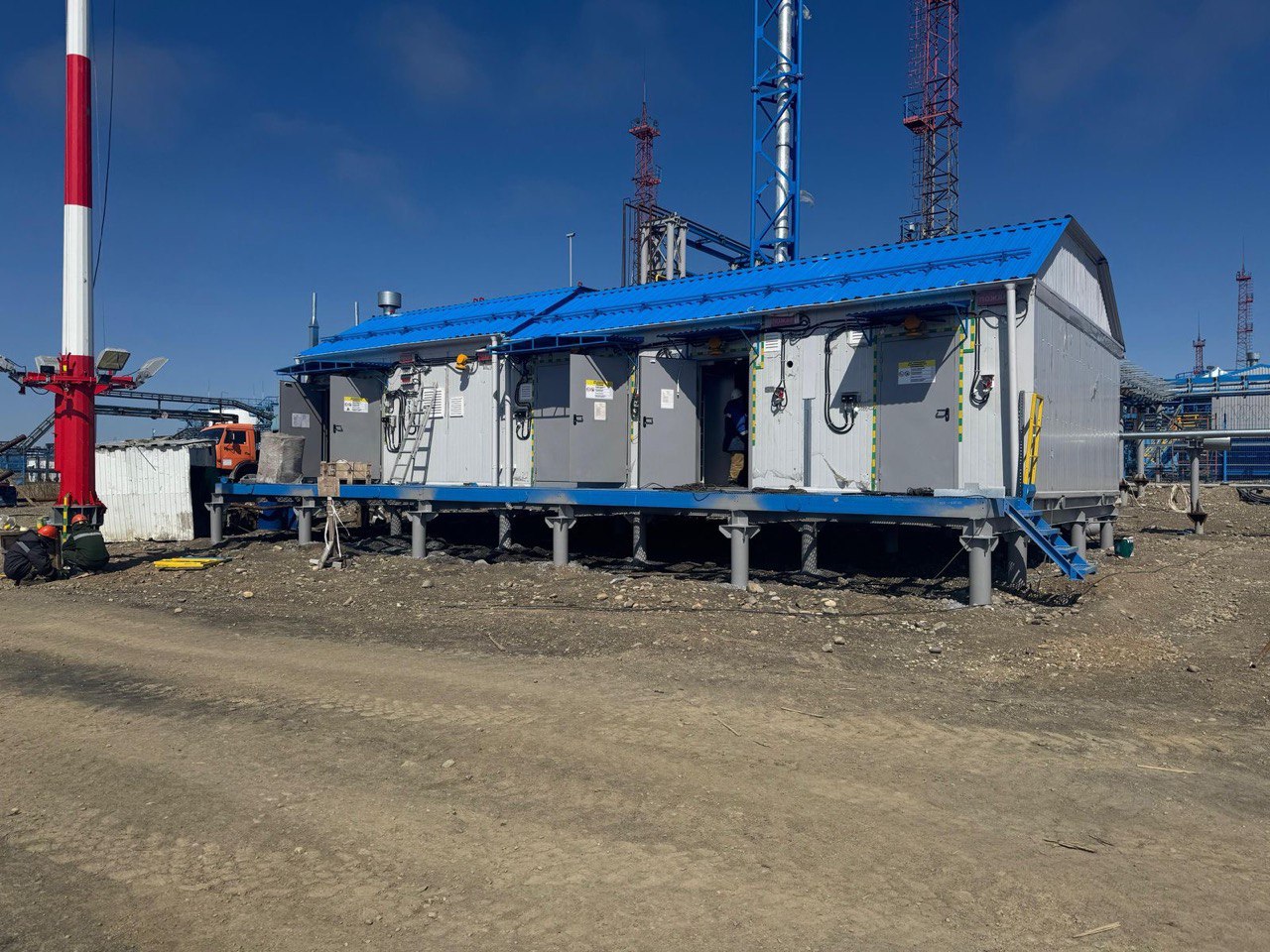
Gas treatment plants are high-tech modular complexes designed to bring raw gas to the required industrial or commercial parameters. Regardless of type (modular, stationary, or mobile), all plants perform key technological tasks: purification, drying, separation, pressure regulation, compression, and gas metering.
These plants are used in various sectors, from oil and gas production to gas processing and energy, and enable the following:
- Removal of impurities: mechanical particles, moisture, hydrogen sulfide, carbon dioxide, and other undesirable components;
- Parameter stabilization: ensuring the required pressure, temperature, and dew point of the gas;
- Separation of gas-liquid mixtures;
- Compression of gas to a specified pressure;
- Automated control and accounting of all indicators.
Advantages:
- Block-modular design: all elements are assembled in factory conditions, which reduces installation time and cost;
- Configuration flexibility: the composition and functions of the unit are selected individually for the customer's tasks;
- Automation: all processes are controlled using modern automated control systems;
- Reliability: use of domestic and imported equipment with a long service life;
- Adaptability to operating conditions: the units operate in various climatic zones, including areas with extremely low temperatures.
A gas treatment plant complex may include:
- A block compressor unit (BKU) — for gas compression;
- A comprehensive gas treatment unit (UKPG) — for purification, drying, and stabilization;
- High-pressure separation unit (HPSU) — for deep separation of gas-liquid fractions;
- Mobile gas treatment unit (MUPG) — a universal solution for remote or temporary facilities.